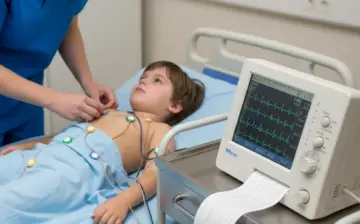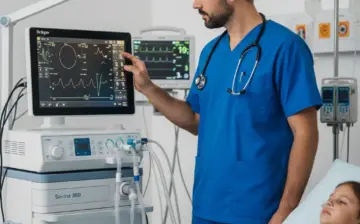
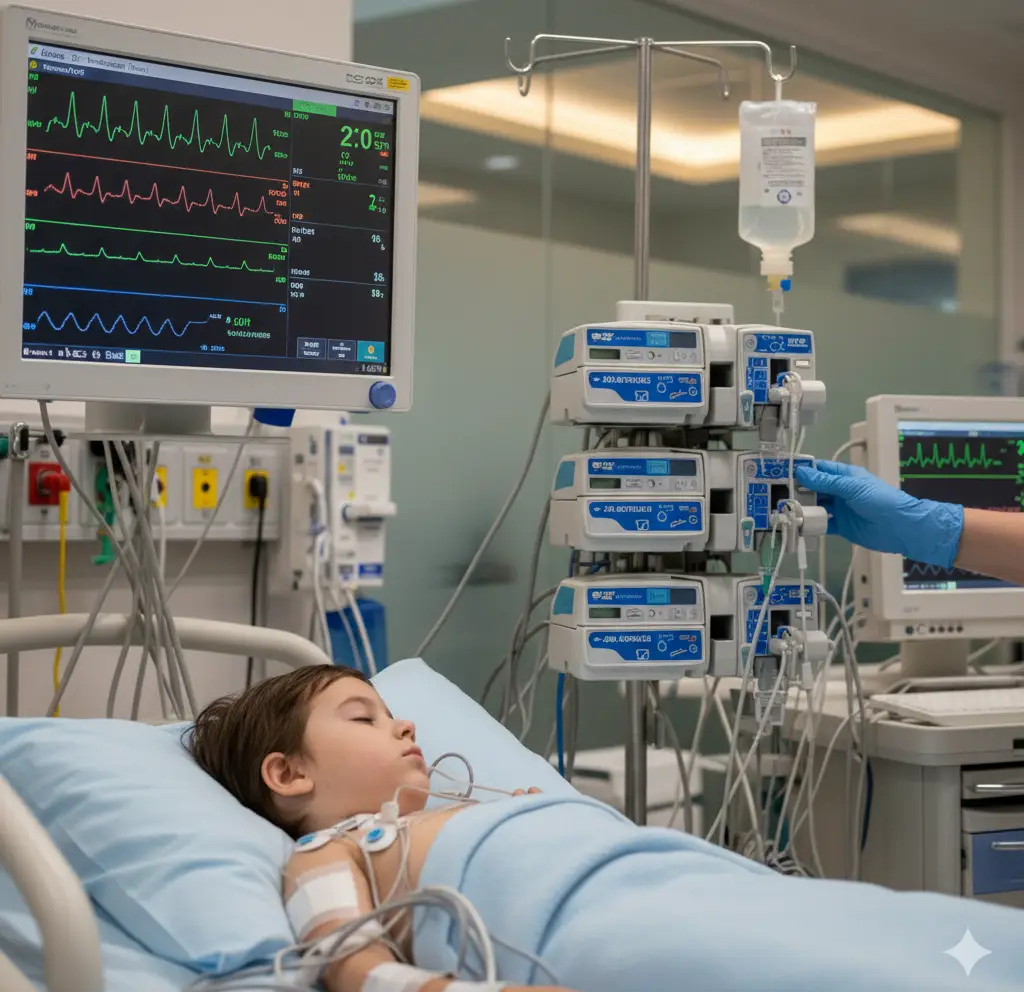
The Hemodynamic Monitoring in Pediatric Critical Care course provides a structured approach to understanding and interpreting hemodynamic data in critically ill pediatric patients.
This course focuses on the principles of cardiovascular physiology and the tools used to assess tissue perfusion, cardiac output, and circulatory status in pediatric intensive care. Through short micro-learning sessions, complex monitoring concepts are simplified and connected to real clinical scenarios encountered in emergency and intensive care settings.
Topics include invasive and non-invasive monitoring techniques such as arterial line waveform interpretation, central venous pressure monitoring, pulmonary artery catheter data, pulse oximetry, capnography, lactate interpretation, and near-infrared spectroscopy (NIRS). The course emphasizes how to interpret monitoring data and translate it into practical bedside decision-making to guide fluid therapy, vasoactive support, and overall hemodynamic management.
Each module includes short video lessons, clear conceptual explanations, and practice questions designed to reinforce understanding and improve clinical confidence in managing hemodynamic instability.
This course is ideal for pediatric trainees, intensivists, emergency physicians, and healthcare professionals involved in the care of critically ill pediatric patients.
Want to submit a review? Login and enrolled
This course includes
Core principles of hemodynamics monitoring
Interpretation of invasive and non-invasive monitoring
Clinical application in pediatric critical care
Practice questions to reinforce learning